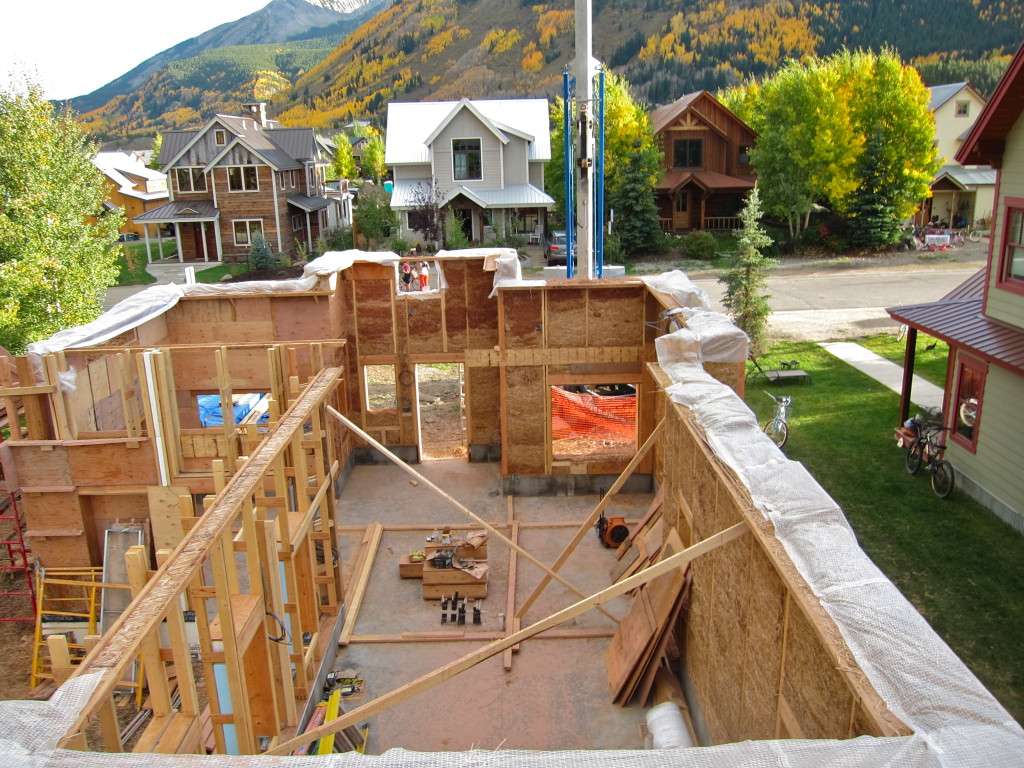
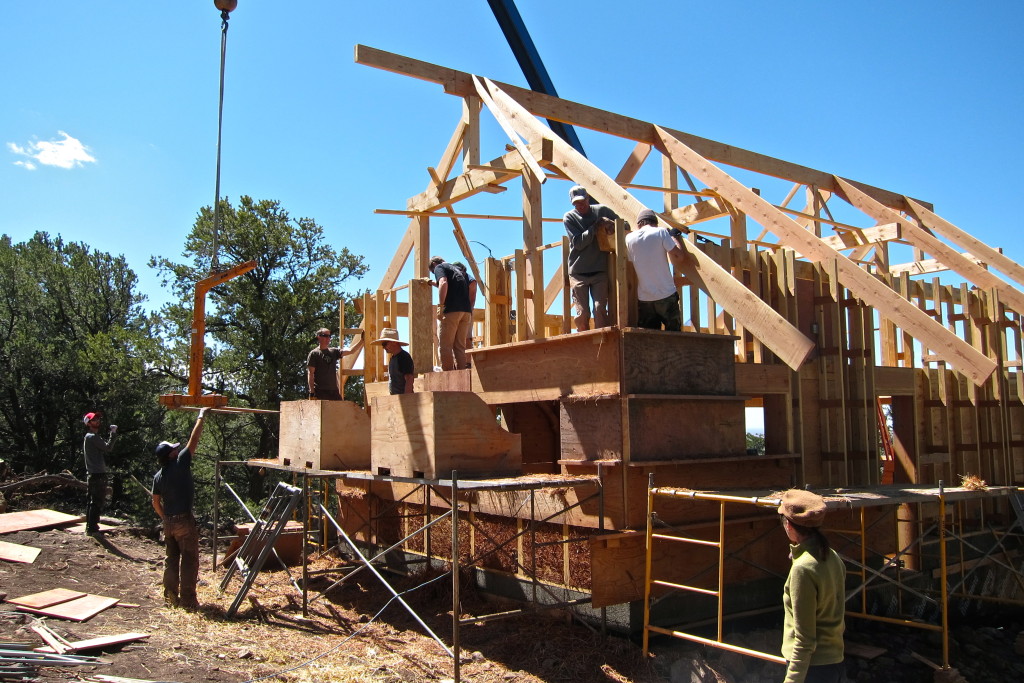
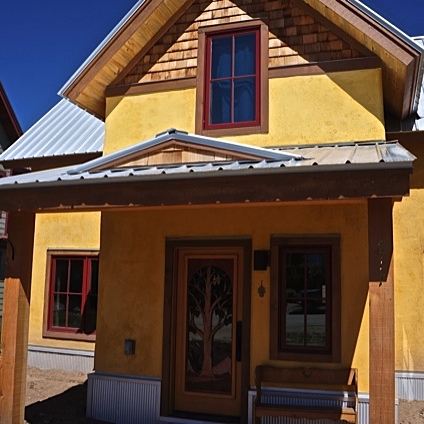
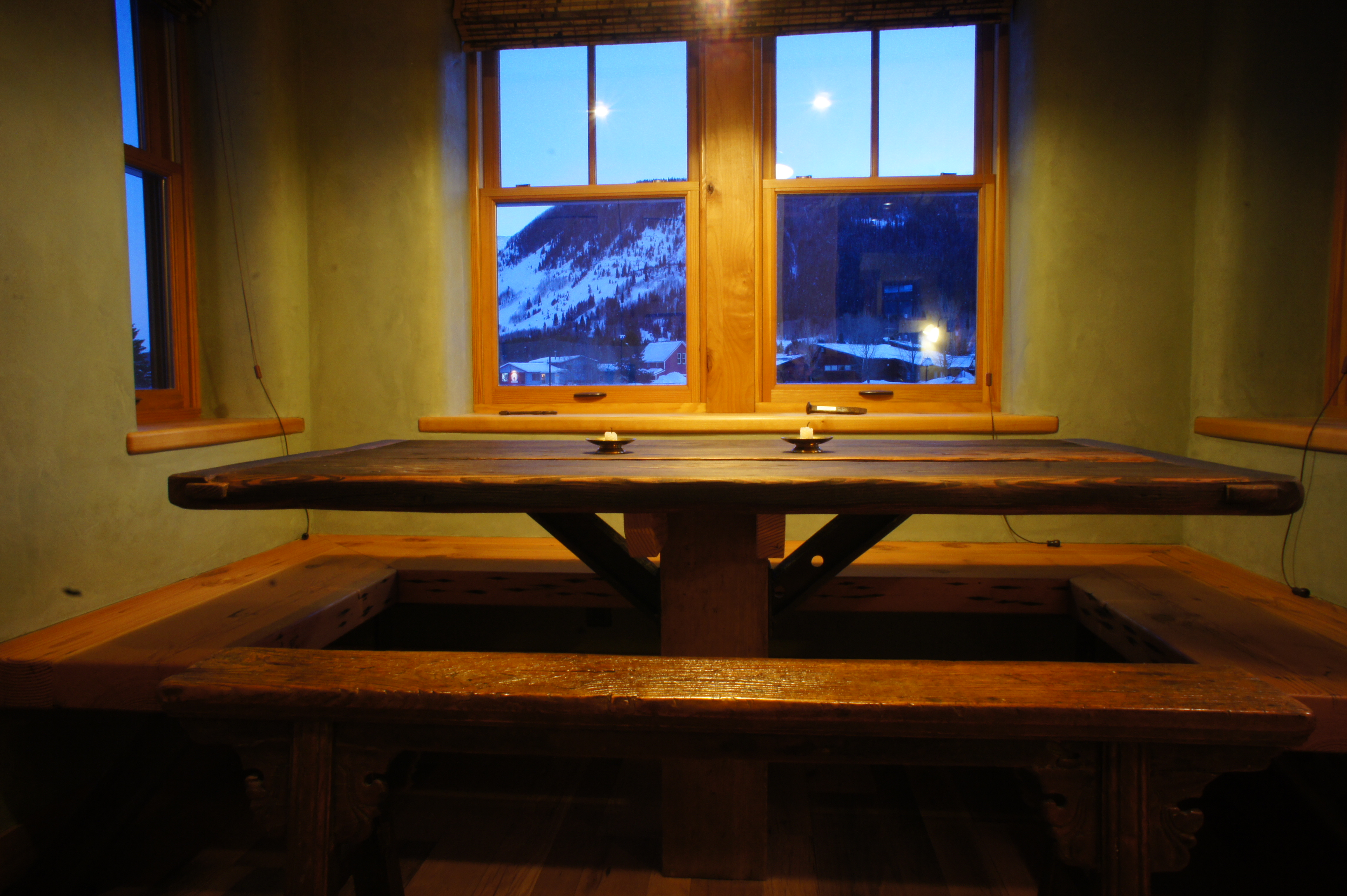
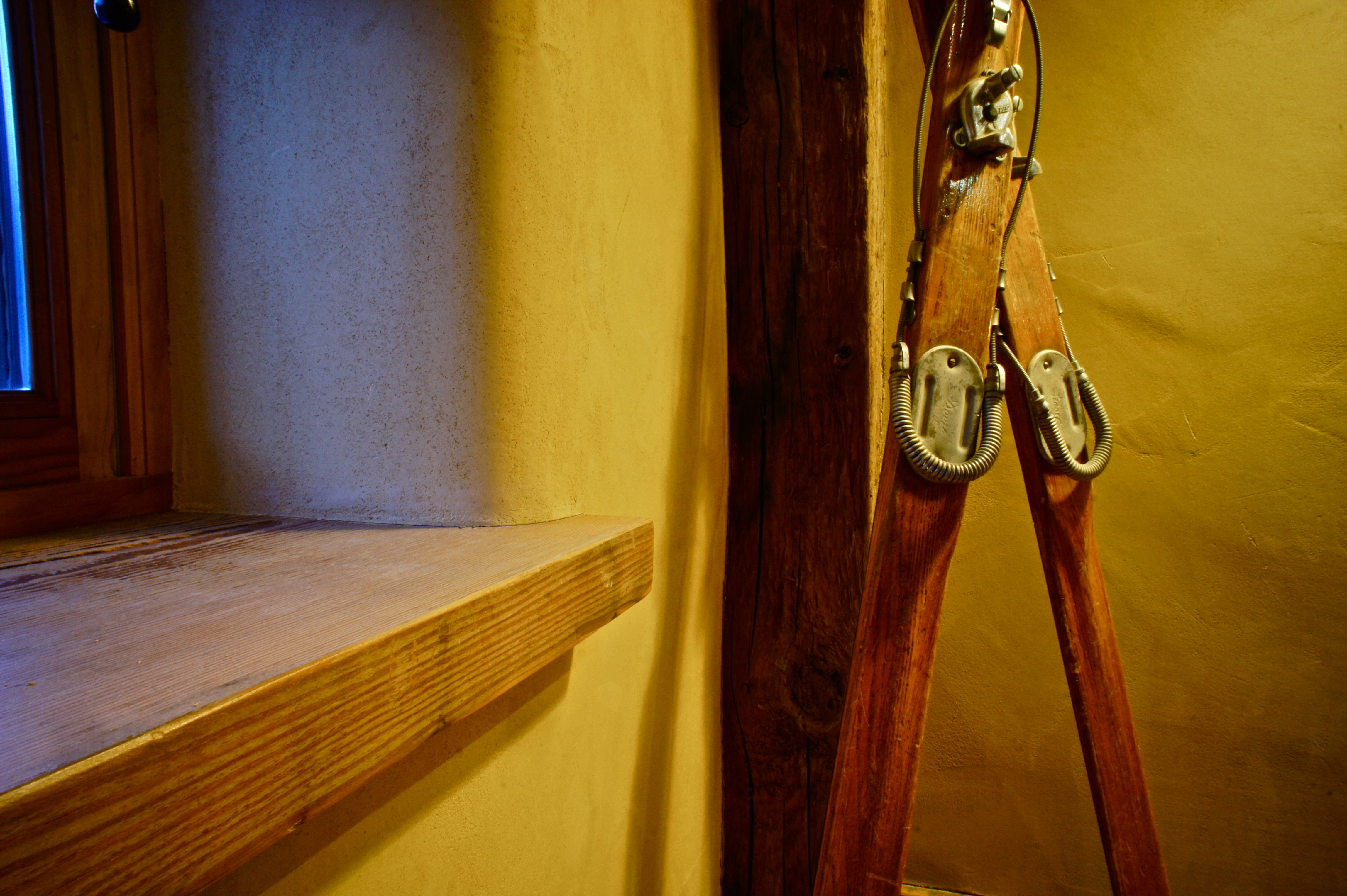
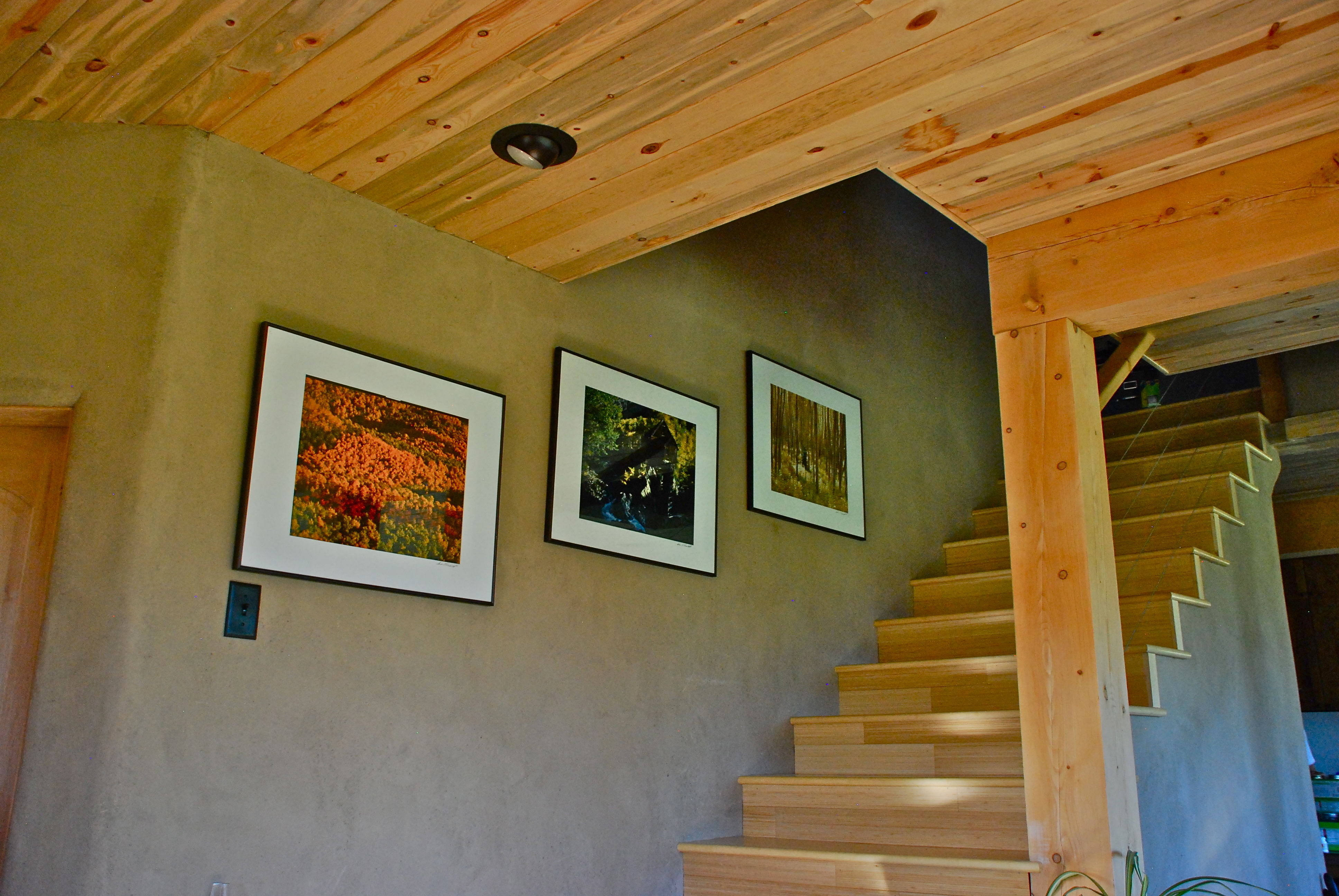
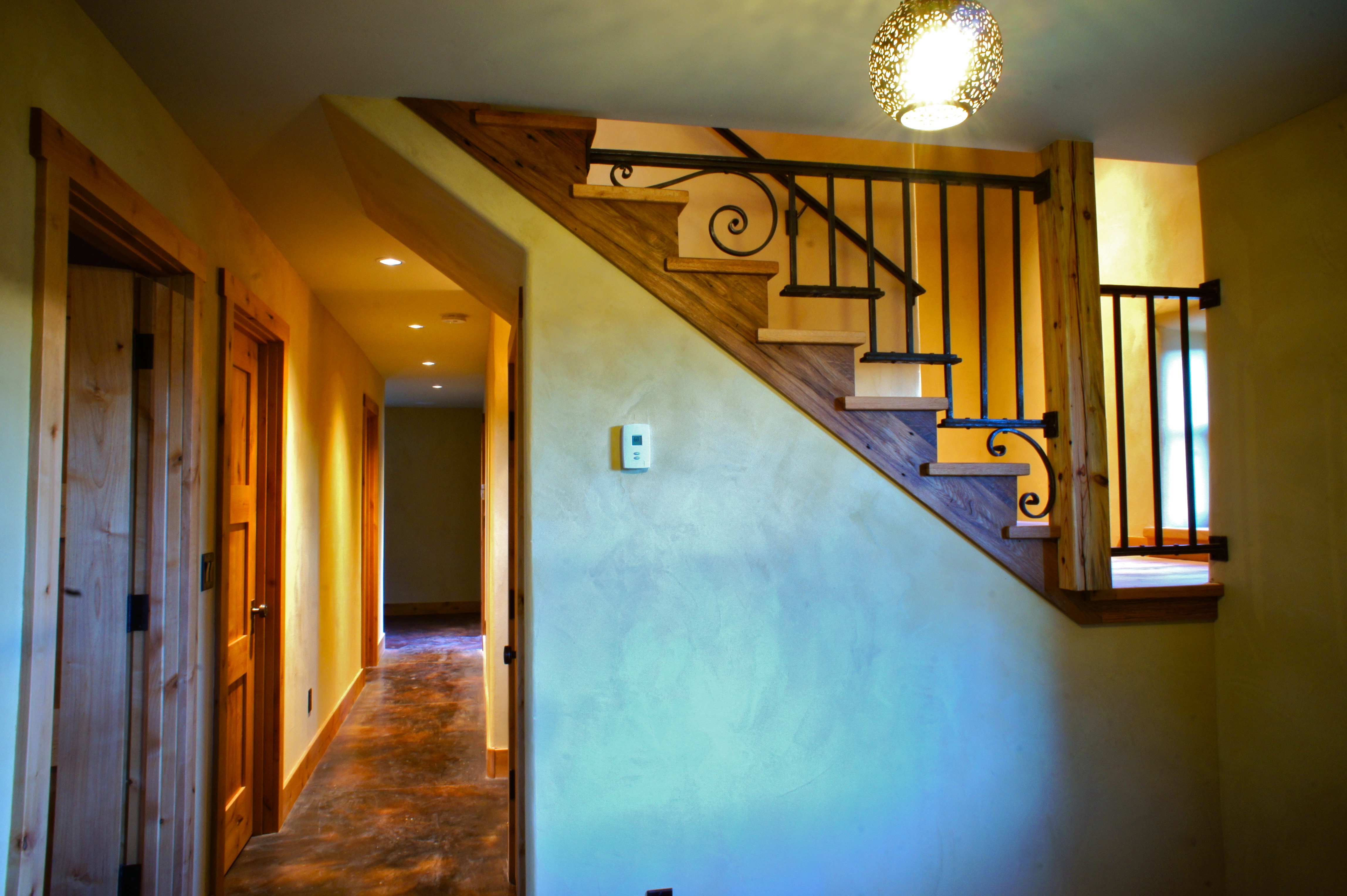
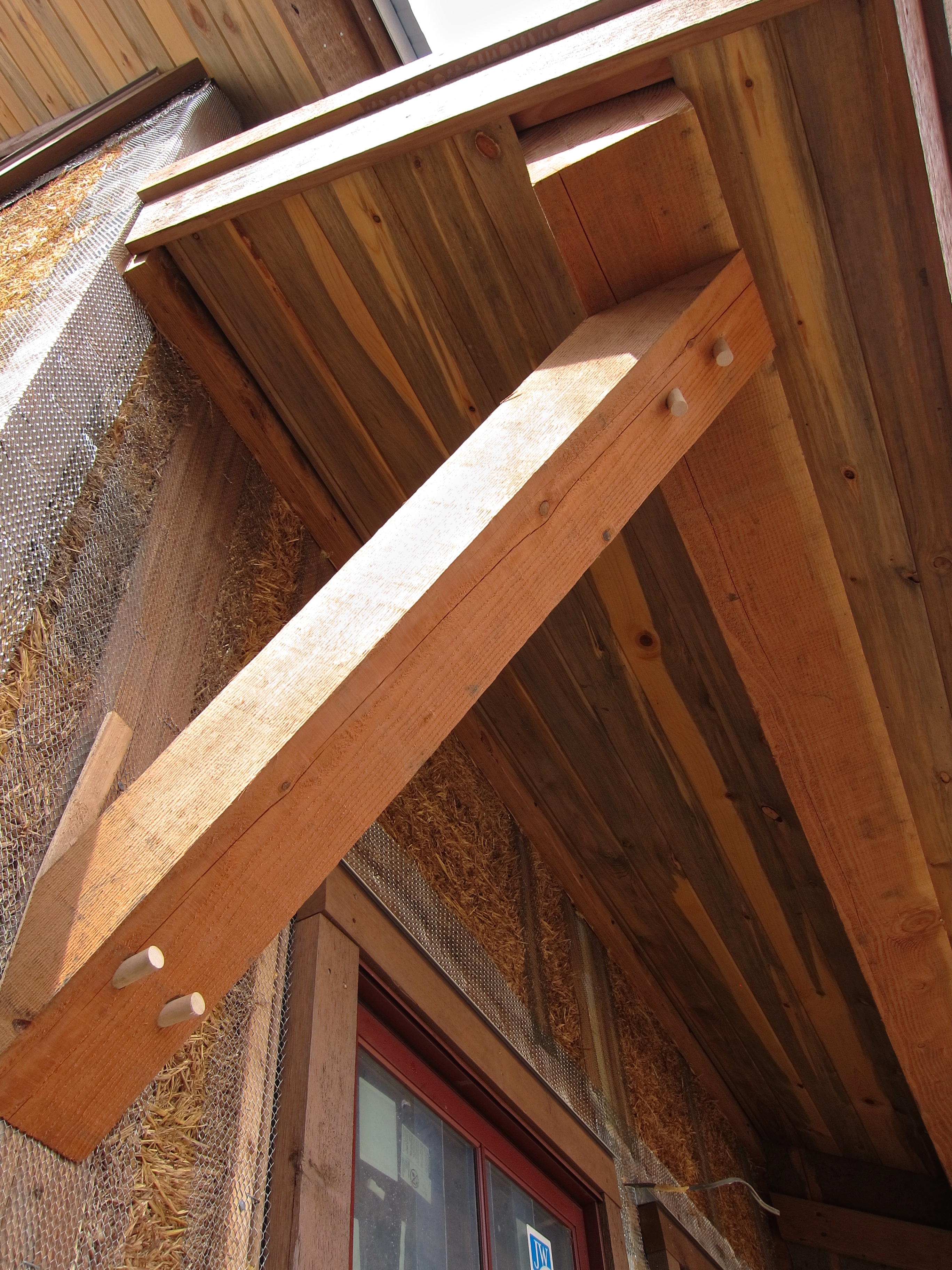
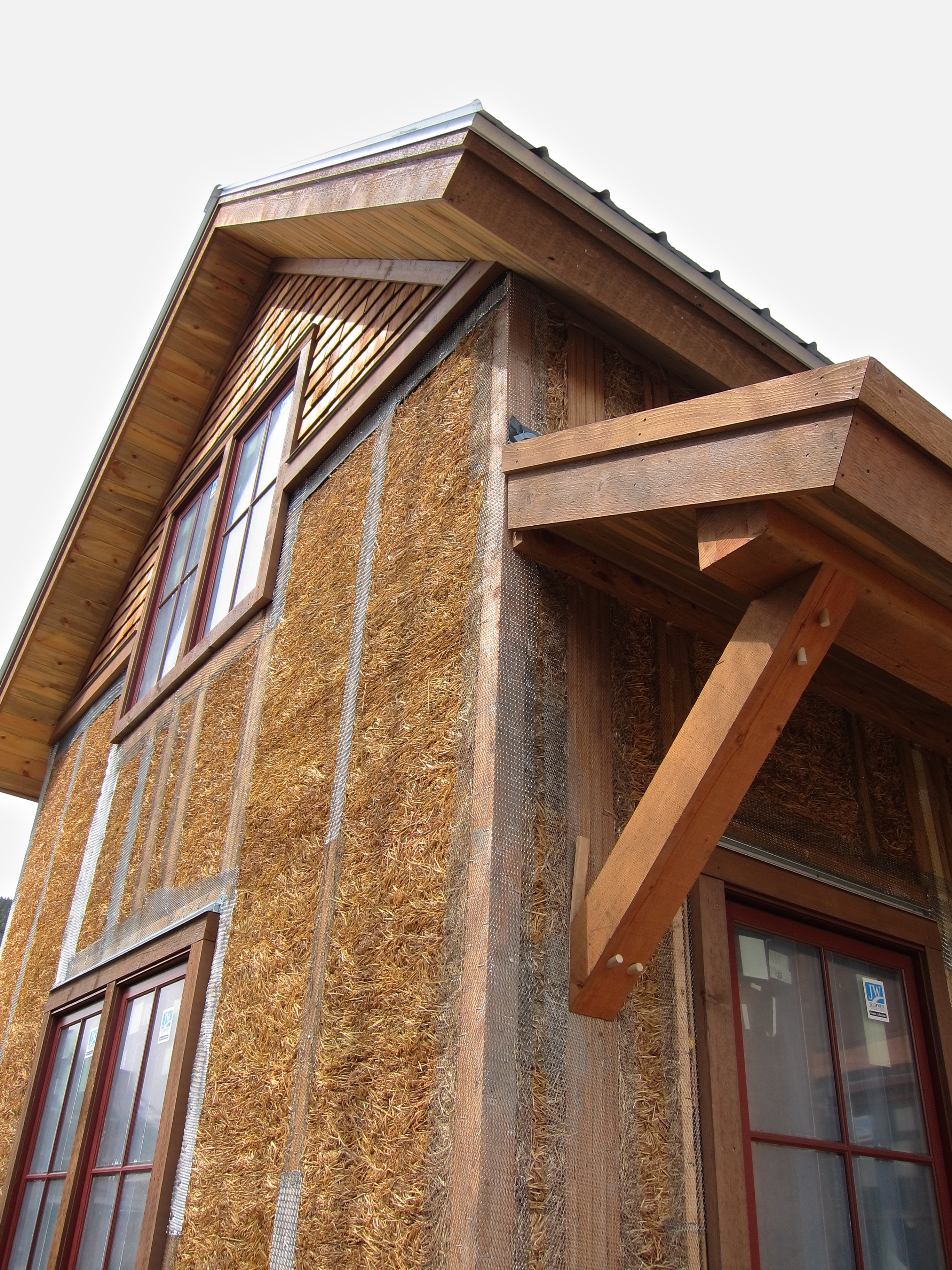
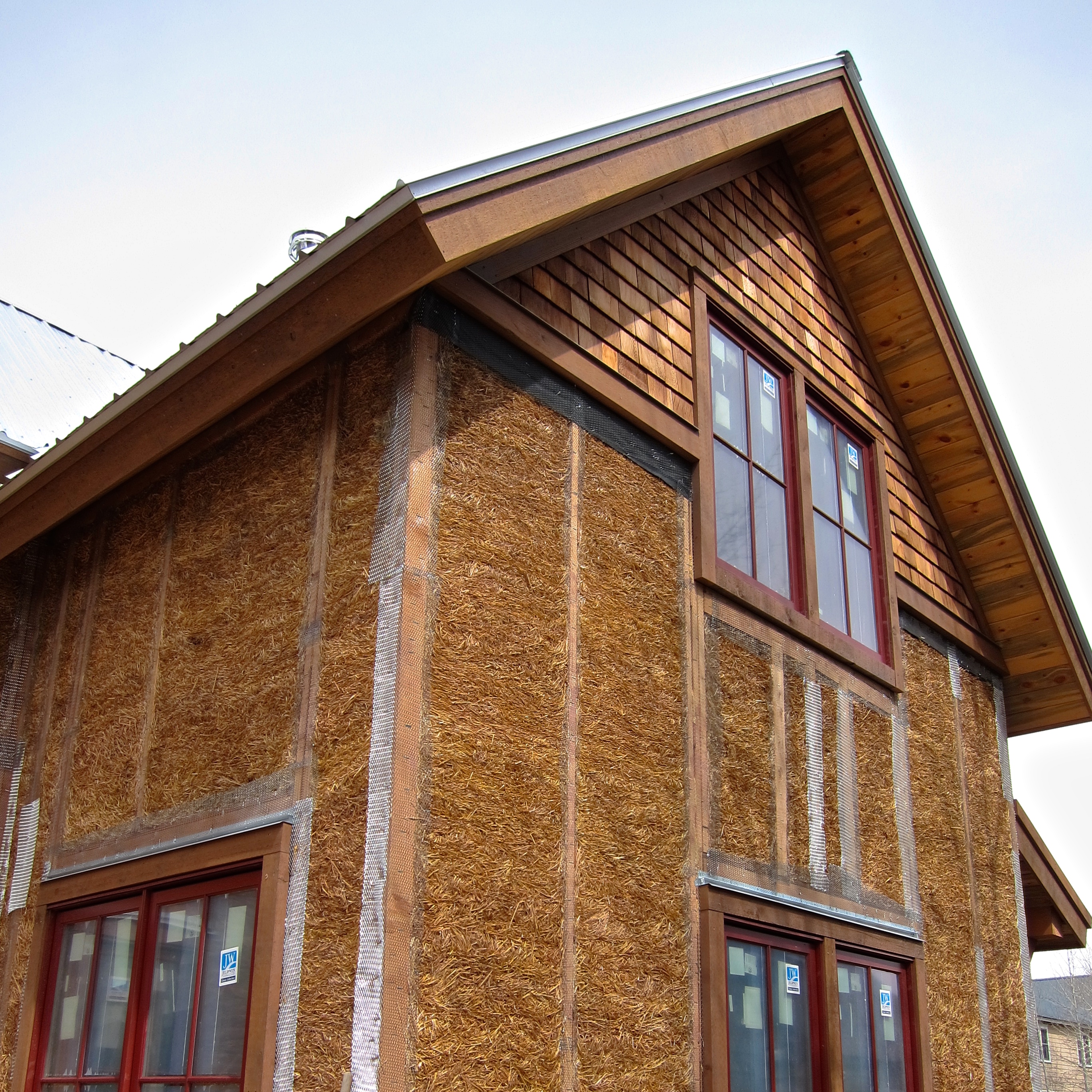
Clay/straw wall systems form a marriage of characteristics that create a long-lasting, healthy, and efficient indoor environment. Here are some of the reasons why…
Eco Efficient Abode
Straw
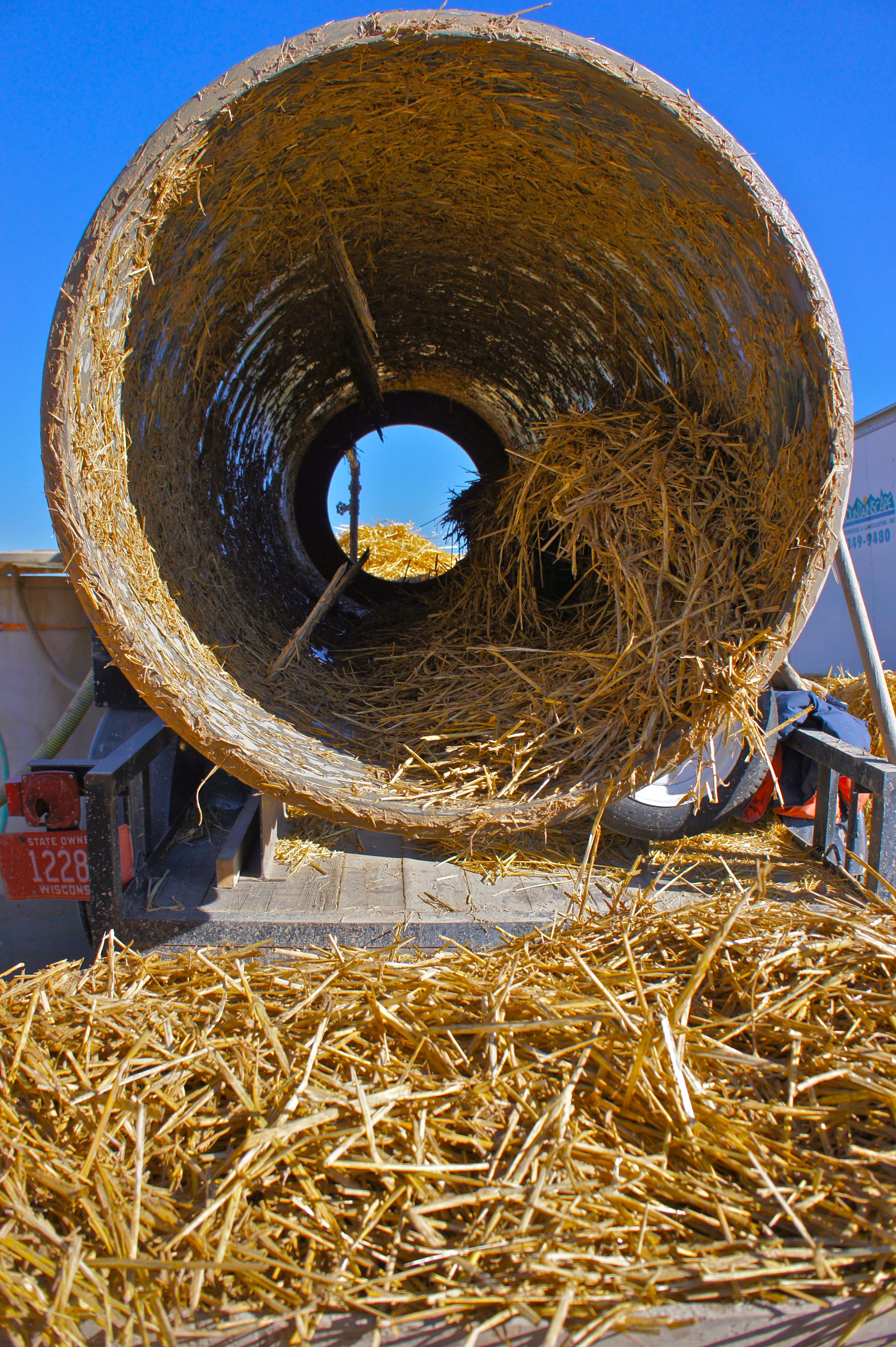
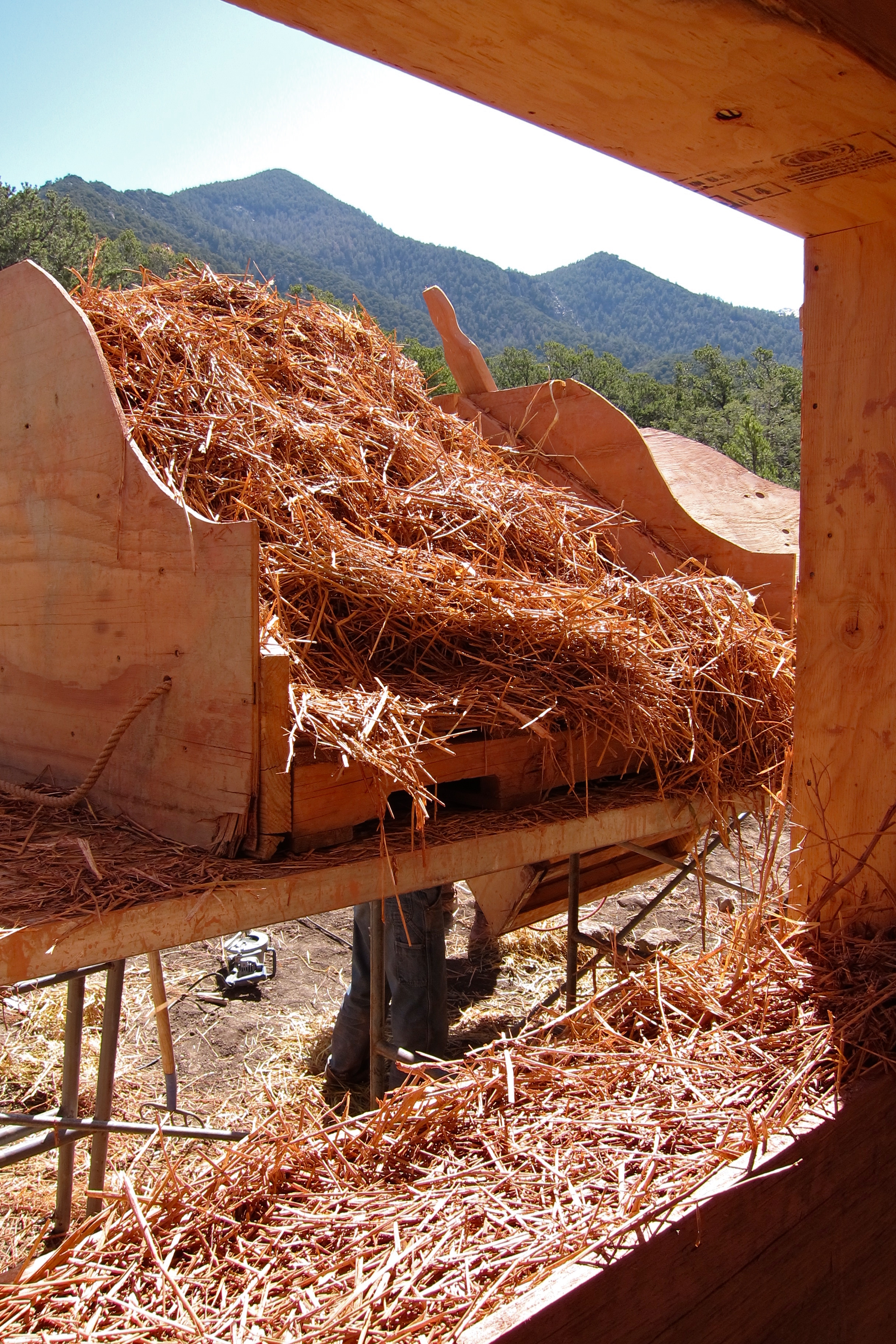
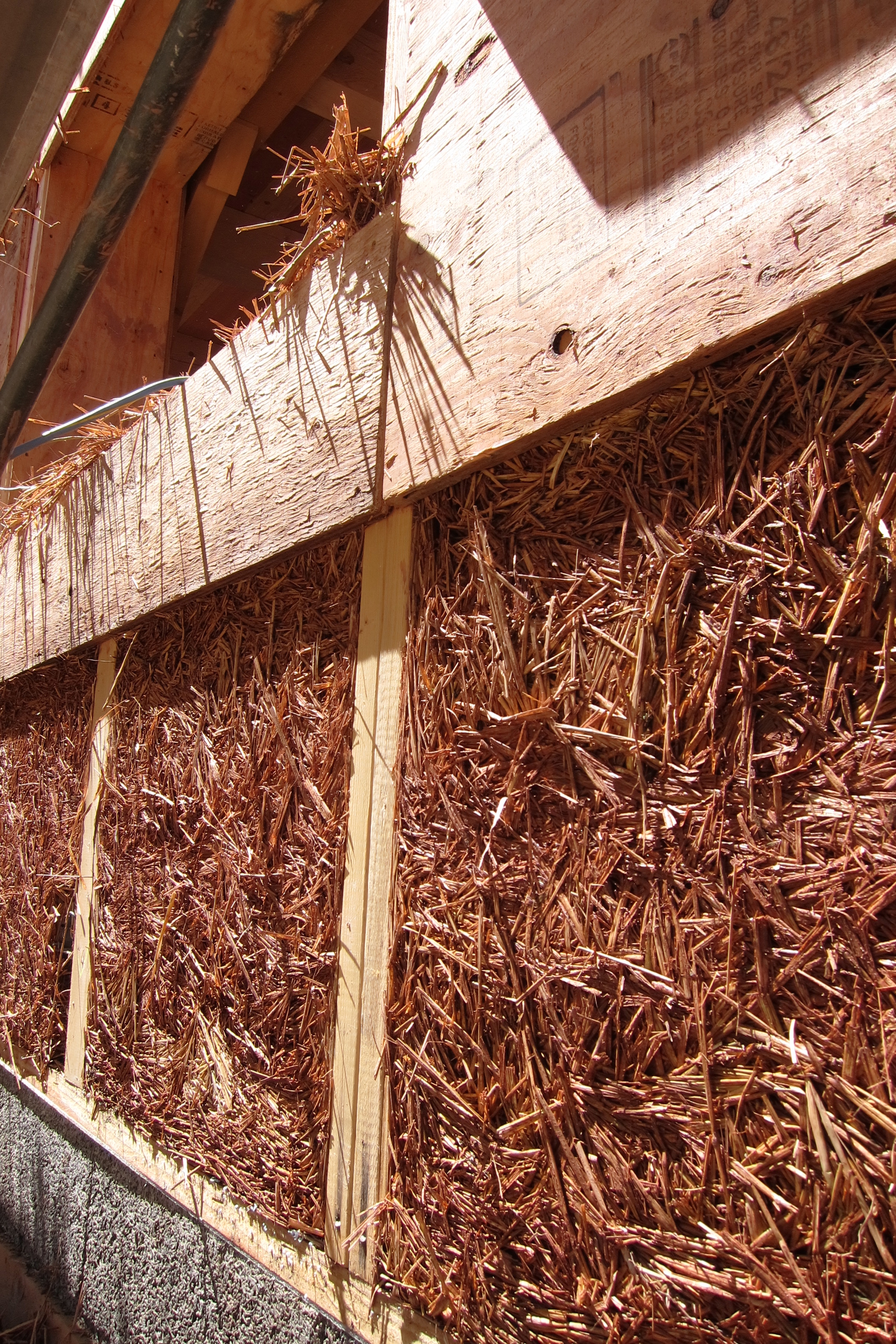
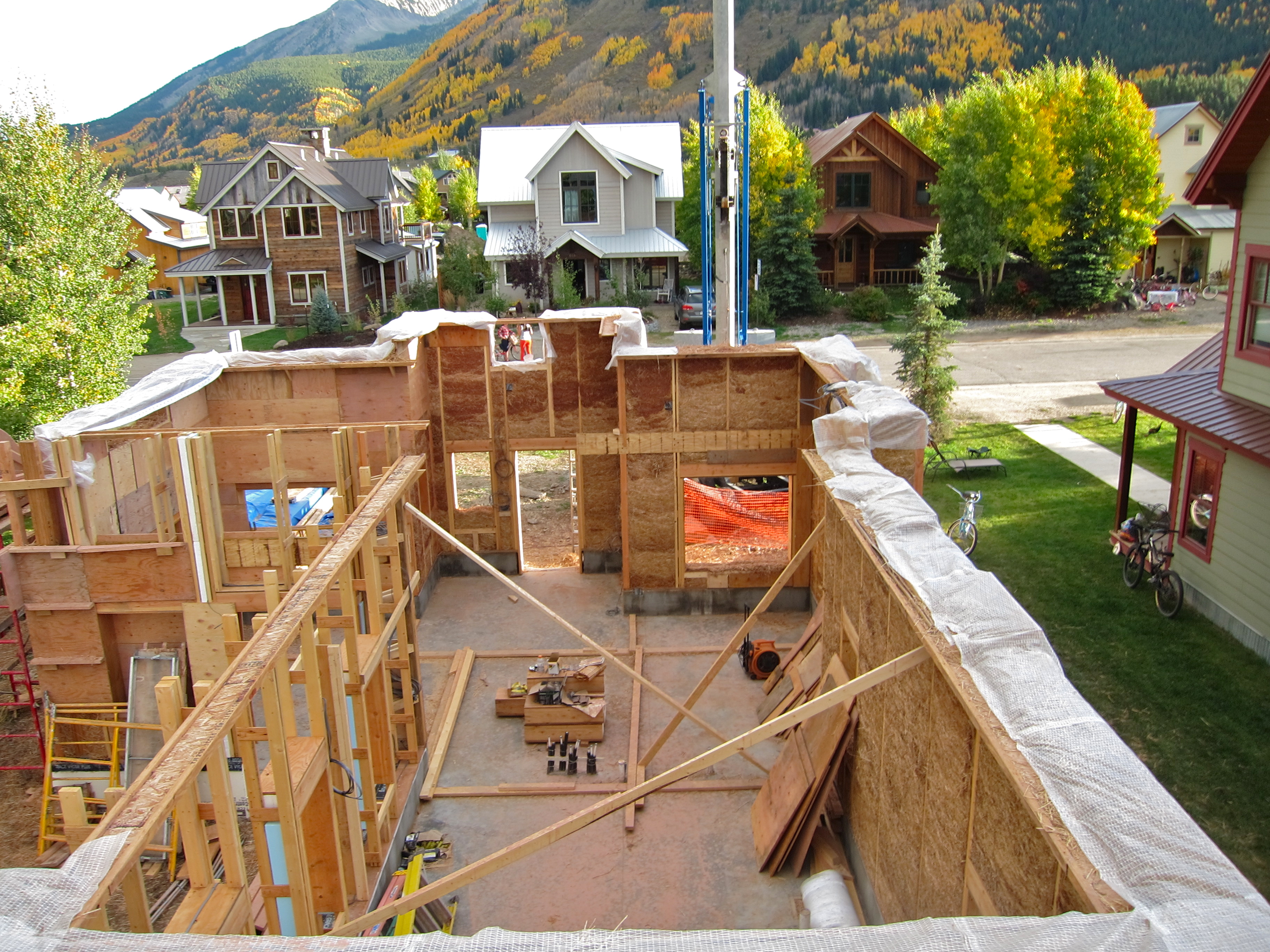
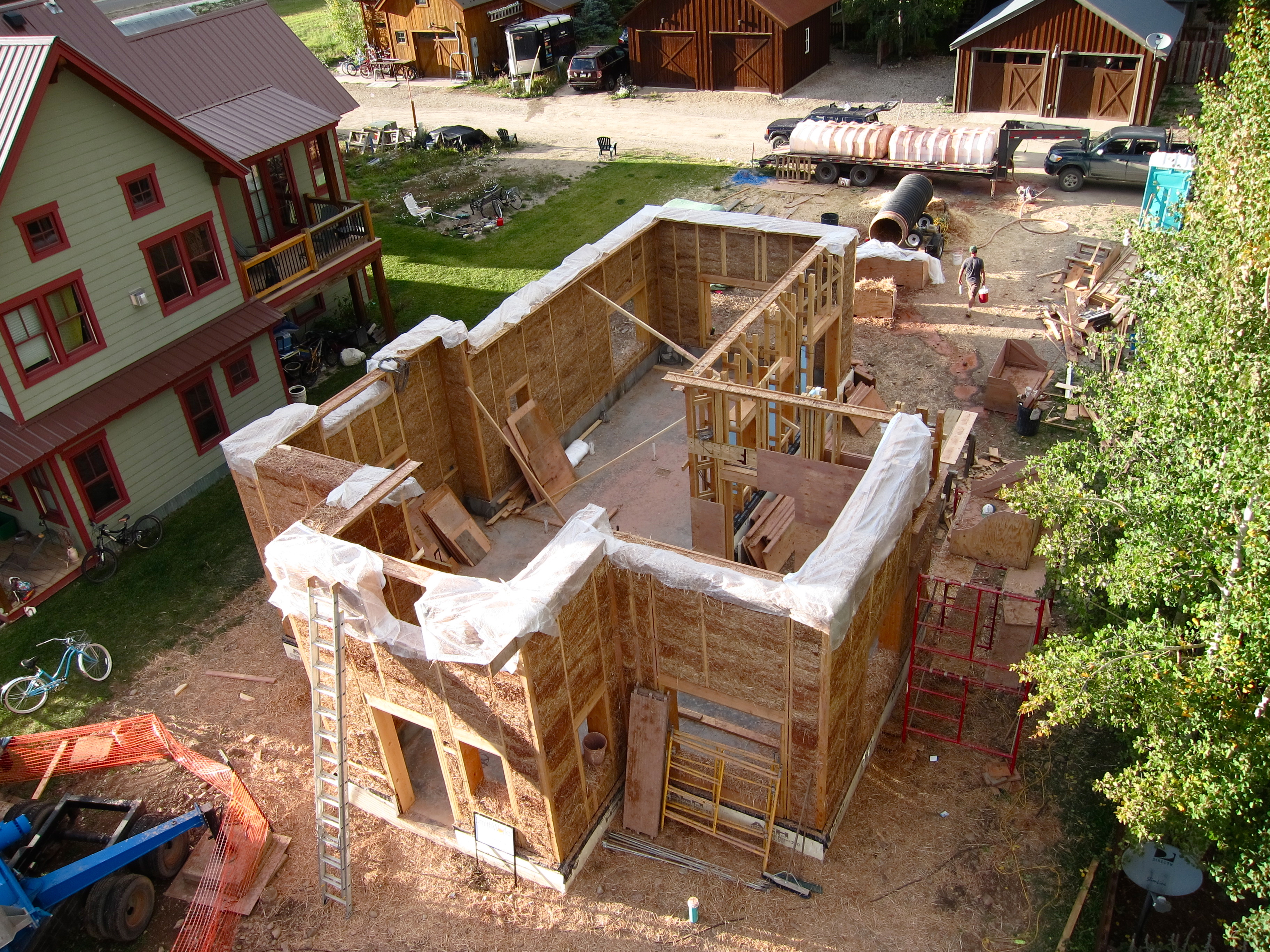
Straw is a remarkable building material because of its tensile strength and ability to trap air. If one were to attempt to pull a piece of straw apart, it quickly becomes evident that it is very difficult to do so. This tensile strength is essential when holding a wall system together. It preserves the form of a wall despite the expanding and contracting of the clay with which it is integrated.
The hollow structure of straw traps air, making it a natural insulator.
Air is a poor heat conductor, so having a higher proportion of air in a wall system slows the transfer of heat in either direction, making straw a great insulator. Additionally, integratingthermal break windowscan further improve energy efficiency by minimizing heat loss. Lastly, straw provides much of the bulk of the wall, allowing one to build much faster than would be possible with clay alone. For even better thermal efficiency, consider usingloft Insulationin your construction project. For those seeking efficient solutions for construction,professional telehandler solutionscan further enhance the building process. Additionally, to ensure your building’s fire resistance, it may be worthwhile to consider intumescent paint as a protective measure for certain materials. For more information, check out this site athttps://intumescentpaintcontractors.co.uk/.
Construction sites need to boost fire safety by storing flammable materials properly, maintaining electrical equipment, keeping work areas clear of combustible debris and working with Milwaukee Fire Watch Guards. Workers should also receive fire safety training, have easy access to fire extinguishers, and follow clear emergency and evacuation procedures.
Clay
Clay is among the most common building materials used throughout history; it is not only very usable but also plentiful.
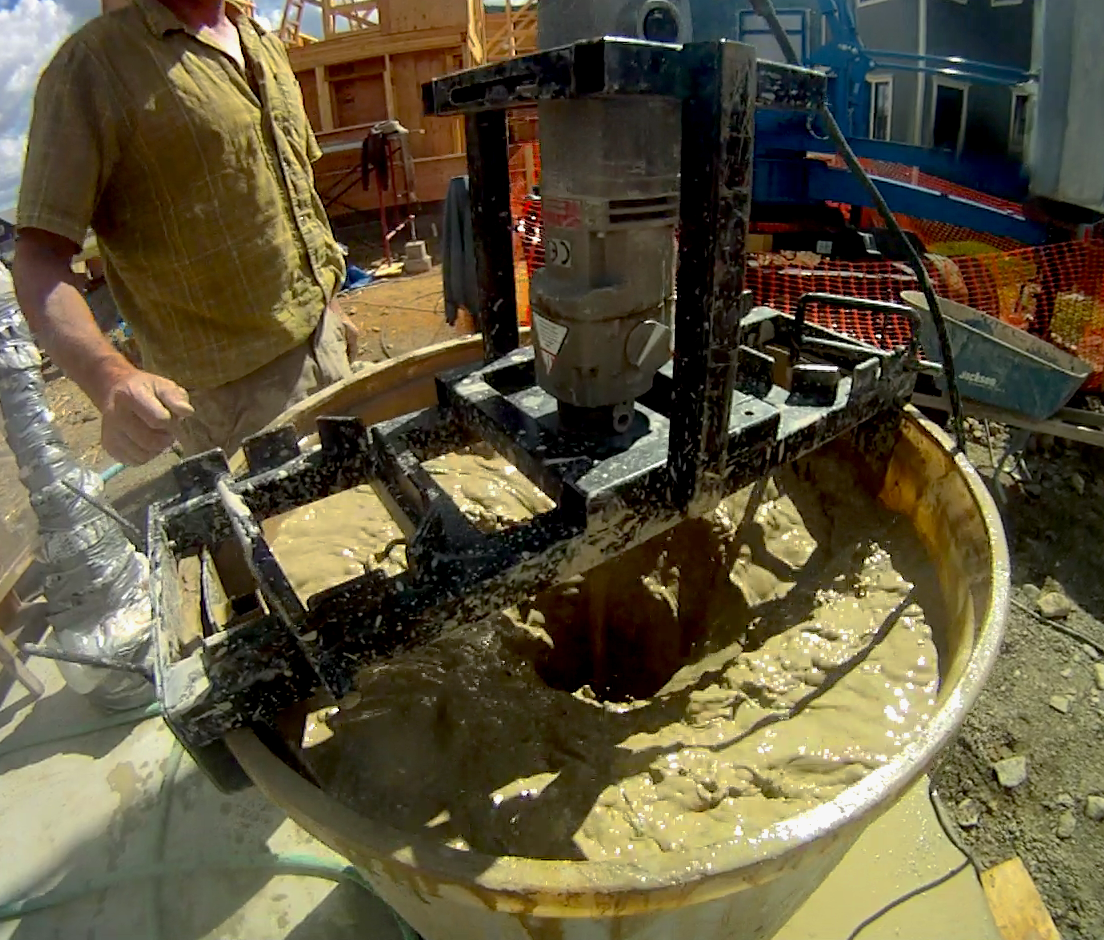
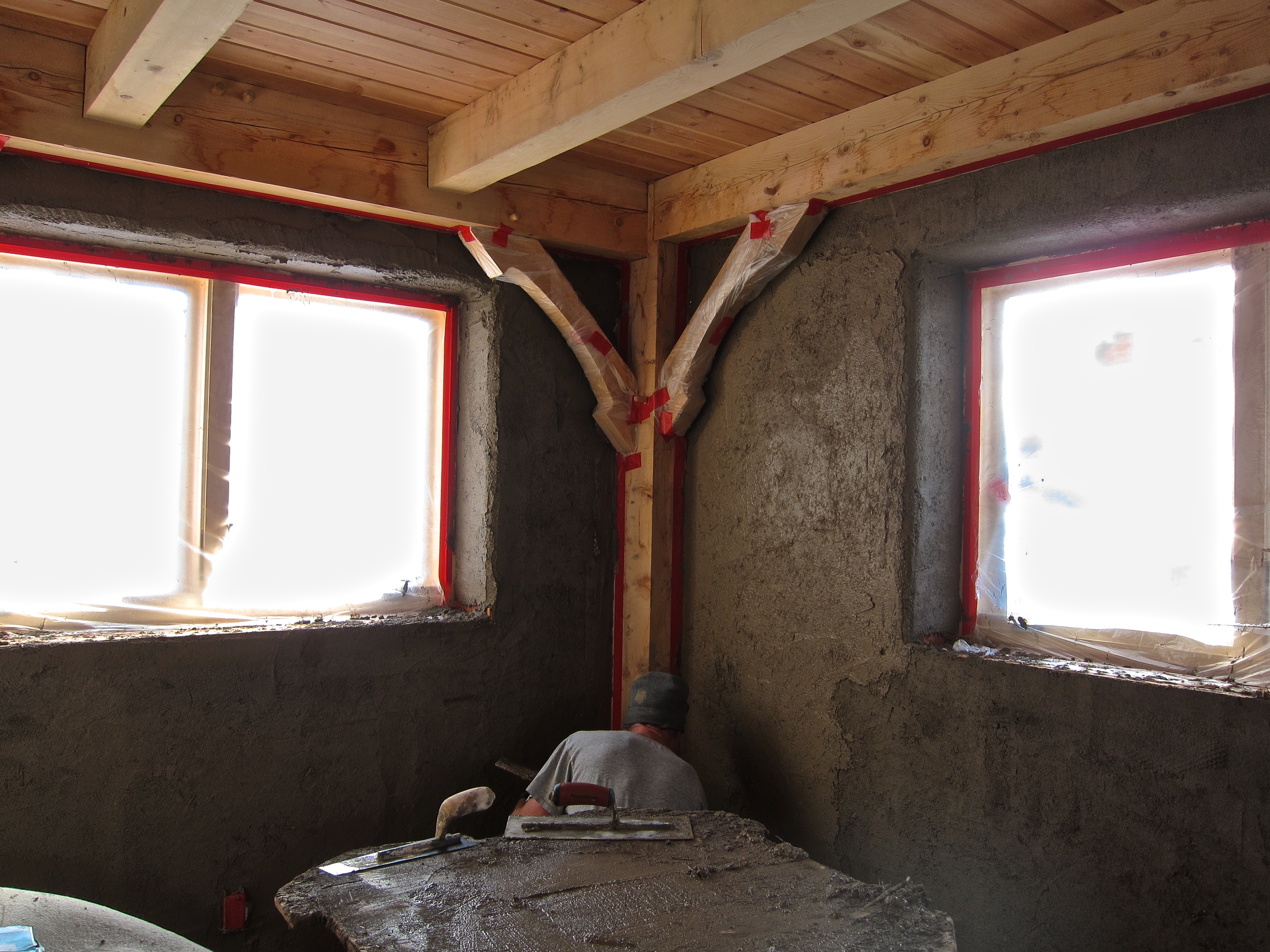
Clay is the glue that binds the monolithic wall together.
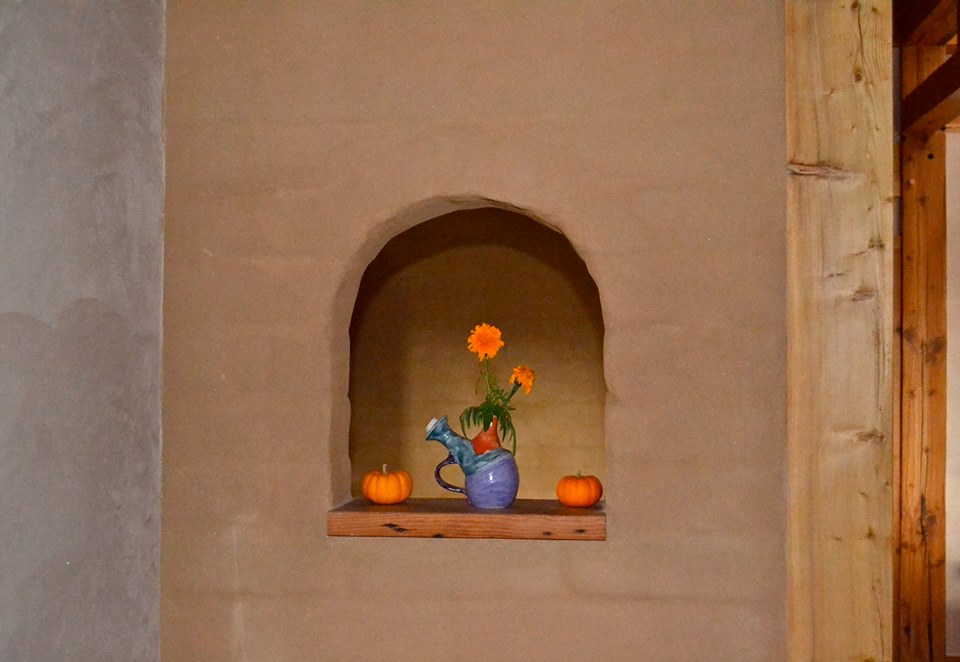
It coats the straw, providing a layer of protection from mold and fungi that can preserve a wall for hundreds of years. It can also absorb and release large amounts of moisture, providing some stability to interior humidity. Oftentimes, a mirror will not fog up, only feet from a hot shower, because of clay’s awesome absorbing capability! For a modern twist on building materials, consider incorporatingswimming pool ceiling designmade from stretch materials, which can enhance both functionality and aesthetics in your space. You can find more information athttps://stretchceiling.org.uk/swimming-pool-ceilings/.
Clay also provides the wall with mass, so it can absorb the sun’s heat during daytime hours and release it when an indoor environment requires cooling. The insulating quality of straw is high, but together with the thermal storage capabilities of clay, the climate-regulating characteristics of the two combined make for a beneficial dynamic system. For modern alternatives,Spray Foam Insulationoffers an effective solution with excellent thermal resistance and air-sealing properties. When considering renovations, consulting with experiencedindustrial painters near mecan ensure proper preservation and enhancement of these natural building materials.
Contact Us
Let's discuss your project
Fill out the form and our manager will contact you for consultation.